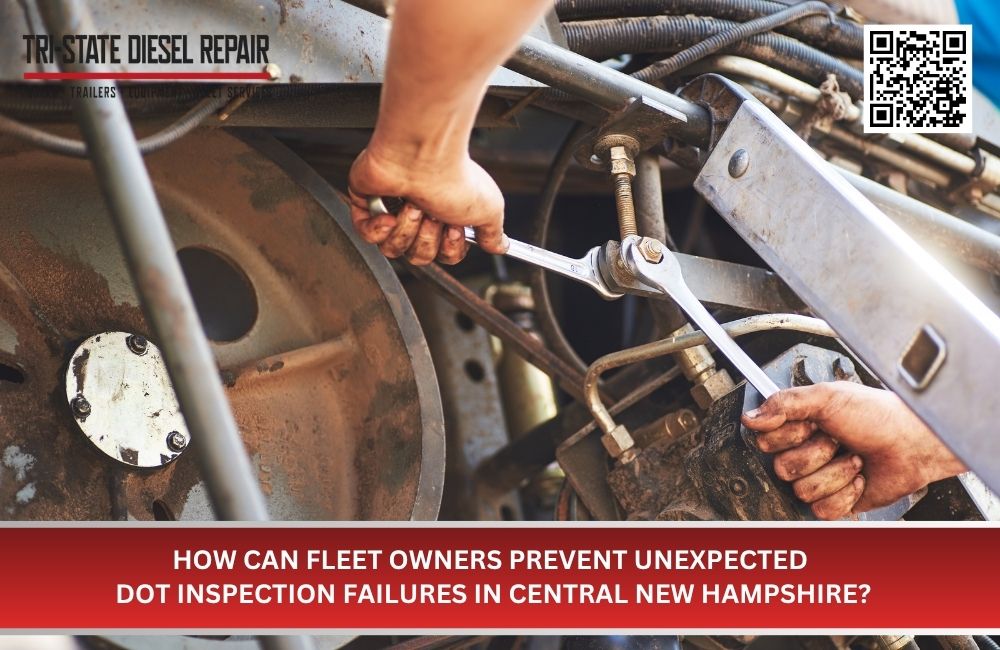
How Can Fleet Owners Prevent Unexpected DOT Inspection Failures in Central New Hampshire?
A failed DOT inspection can disrupt deliveries, delay passenger transportation, increase repair expenses, and potentially place a commercial vehicle out of service. For fleet owners operating in Belmont and throughout Central New Hampshire, preventing these problems starts long before an inspector examines the truck. A consistent Fleet Maintenance program, accurate inspection records, and timely mechanical repairs can help operators identify safety concerns before they become compliance violations.
Whether you manage semi-trucks, delivery vehicles, commercial buses, or specialized work trucks, understanding DOT inspection requirements is essential. The most effective approach is to make vehicle safety part of everyday operations rather than treating inspections as occasional events.
Why Do Commercial Vehicles Fail DOT Inspections?
Commercial vehicles commonly receive inspection violations because of defective brakes, damaged tires, lighting failures, steering problems, suspension defects, fluid leaks, or missing inspection documentation.
Some defects develop gradually. Others appear unexpectedly during normal operation.
A brake chamber may begin leaking air, a tire may develop excessive wear, or an electrical connection may fail because of vibration and corrosion.
Professional Truck Repair helps correct these problems before they interfere with vehicle safety or regulatory compliance.
Fleet managers should also understand that a vehicle can receive a violation without being placed out of service. Out-of-service decisions depend on the specific defect and applicable inspection criteria.
What Is Required During a DOT Inspection?
DOT inspections evaluate whether commercial vehicles meet applicable federal and state safety requirements.
In the United States, the Federal Motor Carrier Safety Administration (FMCSA) establishes federal motor carrier safety regulations, while enforcement personnel apply relevant inspection procedures and out-of-service criteria.
Understanding Annual Commercial Vehicle Inspections
Under 49 CFR § 396.17, commercial motor vehicles subject to the federal periodic inspection requirement generally must undergo a qualifying inspection at least once every 12 months.
This annual inspection is separate from a driver's daily vehicle checks and roadside inspections.
A professional Truck Repair Shop can help identify mechanical defects and prepare eligible commercial vehicles for periodic inspections.
Why Passing an Annual Inspection Is Not Enough
A vehicle that passed its annual inspection several months ago may develop new problems.
Tires wear, brake components deteriorate, suspension parts loosen, and electrical systems experience faults.
Passing an annual inspection does not eliminate the responsibility to maintain the vehicle in safe operating condition throughout the year.
Brake System Problems Are a Major Inspection Concern
Commercial vehicle braking systems receive close attention because they directly affect stopping performance.
Inspectors may evaluate brake components, air leaks, adjustment, hoses, chambers, friction material, and other safety-related conditions.
Air Brake Leaks and Pressure Problems
A leaking air line, damaged chamber, or defective valve can affect braking performance.
Drivers may notice unusually frequent compressor cycling, low-air warnings, or slow pressure recovery.
These symptoms should be investigated promptly.
A qualified Diesel Mechanic Belmont NH can inspect the air system, identify defective components, and recommend appropriate repairs.
Brake Wear and Adjustment
Worn brake linings, damaged drums, defective components, and brakes outside applicable adjustment limits can result in violations.
Fleet operators should schedule brake inspections based on vehicle use, service history, and manufacturer recommendations.
Waiting until a driver reports reduced stopping performance may allow a preventable defect to become more serious.
Tire Conditions Can Lead to Unexpected Violations
Commercial truck tires operate under substantial weight and heat.
Improper inflation, excessive wear, sidewall damage, exposed reinforcement material, and other tire defects can affect vehicle safety.
Inspectors also evaluate tire conditions against applicable regulatory requirements.
Tire Tread Depth Matters
Under federal regulations, tires on the front wheels of a truck tractor or other qualifying steering axle must generally have at least 4/32 inch of tread depth in a major tread groove.
Other covered tires generally require at least 2/32 inch, subject to the applicable measurement rules and exceptions.
These are minimum legal thresholds, not ideal replacement targets.
Fleet owners seeking Heavy Duty Truck Repair Near Me should consider replacing tires before they approach critical wear limits, particularly when vehicles operate under demanding loads or winter conditions.
Lighting and Electrical Problems Are Easy to Overlook
A truck may operate normally while carrying a defective light or electrical connection.
Inoperative brake lights, turn signals, marker lights, and other required lighting equipment can create inspection problems.
Electrical faults may develop from corrosion, damaged wiring, loose connectors, or exposure to moisture.
These concerns are particularly relevant in New Hampshire, where road salt and winter conditions can accelerate electrical deterioration.
Scheduling Commercial Truck Repair Belmont service for recurring lighting problems can help address the underlying wiring issue rather than repeatedly replacing bulbs.
Steering and Suspension Components Need Regular Attention
Steering and suspension defects can affect vehicle control, tire wear, and overall stability.
Worn steering linkage, damaged suspension components, loose hardware, or defective mounting points may result in safety violations.
Why Small Steering Problems Matter
A minor steering concern may initially appear as excessive play, unusual tire wear, or difficulty maintaining a straight path.
However, continued operation can allow wear to progress.
A professional Truck Repair Shop near me should evaluate steering components when drivers report looseness, pulling, unusual movement, or vibration.
Suspension Problems Can Develop Gradually
Commercial suspension systems are exposed to repeated loading, road impacts, and vibration.
Damaged springs, worn bushings, defective airbags, or loose components can affect vehicle handling.
Early inspection helps identify problems before they interfere with safe operation.
Fluid Leaks Should Be Investigated Before Inspection Day
Not every visible fluid leak creates the same regulatory concern, but leaks involving critical systems can become serious safety issues.
Brake fluid, fuel, oil, coolant, and power steering fluid may indicate different mechanical problems.
Some leaks can contaminate braking components, create fire hazards, or lead to equipment failure.
Professional Diesel repair helps identify the source of a leak and determine whether the vehicle can safely remain in operation.
Fleet managers should avoid treating repeated fluid top-offs as a substitute for diagnosing the problem.
Driver Vehicle Inspection Reports Support Compliance
Drivers play an important role in identifying defects before vehicles enter service.
Under applicable FMCSA rules, drivers must be satisfied that their vehicles are in safe operating condition before driving.
For property-carrying commercial vehicles, post-trip driver vehicle inspection reports are generally required when a defect or deficiency is discovered or reported. Passenger-carrying commercial vehicle requirements differ and generally require written reports after each day's work.
Why Repair Documentation Matters
When a report identifies a defect likely to affect safe operation or cause a mechanical breakdown, the motor carrier must address it as required before the vehicle is operated again.
Repair certifications and records should be maintained according to applicable regulations.
A structured Fleet Maintenance Belmont NH program can help operators organize inspection reports, repair histories, and service documentation.
Accurate records also make it easier to identify recurring defects.
How Can Fleet Owners Prepare for Roadside Inspections?
Roadside inspections are different from scheduled shop visits because drivers may have little advance notice.
A vehicle that appears mechanically sound should still have the required documentation and functioning safety equipment.
Drivers should understand their responsibilities regarding vehicle condition, inspection reports, registration, and other applicable operating requirements.
When a problem develops during a route, Truck Roadside Assistance may be necessary to address the defect before continuing.
Operators seeking Roadside Truck Repair Belmont should describe the issue clearly and confirm whether the vehicle can be repaired safely at its current location.
What Happens When a Truck Is Placed Out of Service?
An out-of-service designation means the vehicle, driver, or operation has a condition that meets applicable out-of-service criteria.
A vehicle placed out of service generally cannot continue operating until the conditions responsible for the designation have been corrected as required.
The consequences can extend beyond the repair itself.
Missed delivery appointments, driver delays, customer disruptions, and additional transportation expenses can affect the entire business.
For this reason, preventive inspections are often more economical than emergency repairs after an enforcement stop.
How Often Should Fleets Schedule Preventive Inspections?
There is no universal maintenance interval that works for every commercial vehicle.
Inspection frequency should reflect manufacturer recommendations, vehicle age, mileage, engine hours, operating environment, and maintenance history.
A long-haul tractor may experience different wear patterns from a local delivery truck, school bus, or construction vehicle.
Fleet managers should also consider whether vehicles operate with heavy loads, frequent stops, extended idling, or demanding terrain.
Maintenance Should Follow Actual Vehicle Use
A truck operating on local routes around Belmont and Laconia may accumulate fewer miles than a highway tractor while experiencing more frequent braking and acceleration.
That operating pattern can increase wear on certain components.
A maintenance schedule based only on mileage may overlook those demands.
Tracking engine hours and service conditions provides a more complete picture.
Why New Hampshire Weather Increases Inspection Risks
Commercial vehicles in Central New Hampshire experience freezing temperatures, snow, ice, road salt, potholes, and changing seasonal conditions.
These factors can affect braking systems, tires, suspension components, electrical connections, and undercarriage hardware.
Winter Conditions and Corrosion
Road salt can accelerate corrosion on exposed metal components, electrical terminals, brake hardware, and mounting points.
Moisture can also create problems within air brake systems when temperatures fall below freezing.
Seasonal inspections help identify corrosion and weather-related damage before they affect vehicle safety.
Spring Road Damage
Potholes and rough pavement can contribute to tire damage, alignment changes, suspension wear, and steering concerns.
Fleet operators should consider additional inspections after severe winter operation, particularly when drivers report new vibrations or handling problems.
Can Mobile Truck Repair Help With DOT-Related Defects?
Some inspection-related repairs can be completed at a fleet yard, jobsite, or roadside location.
Mobile Truck Repair may be appropriate for selected electrical problems, battery issues, lighting defects, accessible mechanical components, and certain diagnostic procedures.
For operators in Belmont, Mobile Truck Repair Belmont can reduce the need to transport vehicles for every minor repair.
A Mobile Diesel Mechanic NH can assess the problem and determine whether on-site service is practical.
However, repairs involving major structural damage, complex braking problems, or specialized equipment may require a properly equipped repair facility.
When Should a Vehicle Be Removed From Service?
Fleet owners should not wait for an official inspection to address a known serious safety defect.
A vehicle with major braking problems, unsafe tires, critical steering defects, severe fluid leaks, or other dangerous conditions should not continue normal operation.
If a truck becomes disabled away from the facility, drivers may search for 24/7 Truck Repair Belmont NH assistance. Actual emergency service availability should always be confirmed with the provider.
A vehicle that cannot be safely driven may require roadside evaluation or towing.
How Can Fleet Managers Reduce Repeat Inspection Violations?
Repeat violations often indicate that the underlying maintenance process needs improvement.
If multiple vehicles develop similar brake, tire, or lighting problems, the issue may involve inspection frequency, repair quality, operating conditions, or delayed defect reporting.
Fleet managers should review repair histories and identify patterns rather than treating each violation as an isolated event.
For example, repeated tire wear on similar vehicles may point toward alignment, suspension, inflation, or loading practices.
Recurring lighting failures may indicate wiring damage or corrosion.
A reliable Truck Repair Shop Nearby can help investigate these patterns and recommend appropriate corrective maintenance.
What Should Bus Operators and RV Owners Know?
Commercial buses are subject to applicable federal and state safety requirements, including passenger-carrier inspection and maintenance obligations.
School buses may also be subject to additional state-specific requirements.
Privately operated RVs are not automatically subject to the same federal commercial motor vehicle inspection rules. Applicability depends on vehicle use, registration, and relevant regulations.
Even when a vehicle is exempt from commercial DOT requirements, routine inspections of brakes, tires, steering, suspension, and lighting remain important for safe travel.
Bus operators and RV owners searching for Diesel Truck Repair Near Me should confirm that the provider services their vehicle type and understands the relevant inspection requirements.
Why Consistent Maintenance Is Better Than Last-Minute Inspection Preparation
Preparing for an inspection only when the deadline approaches can create unnecessary pressure.
A more effective approach is to make inspections part of the regular operating schedule.
When drivers report defects promptly, technicians document repairs, and fleet managers review maintenance histories, fewer problems remain unnoticed.
This also allows businesses to schedule repairs around operational needs rather than interrupting deliveries or passenger routes.
For owners seeking Truck Repair Belmont NH, working with a service provider familiar with commercial vehicle inspection requirements can support more consistent maintenance planning.
Keep Commercial Vehicles Ready for the Road
Preventing unexpected DOT inspection failures requires ongoing attention to vehicle condition, driver reporting, maintenance records, and timely repairs.
Brake defects, unsafe tires, lighting problems, steering wear, suspension damage, and neglected leaks are easier to manage when identified during scheduled maintenance rather than during an enforcement inspection.
For truck owners, bus operators, and fleet managers throughout Belmont and Central New Hampshire, a proactive inspection program can help improve safety, reduce unplanned downtime, and support regulatory compliance.
Tri-State Diesel Repair provides commercial vehicle inspections, diagnostics, preventive maintenance, Truck Repair, and mobile service support for eligible vehicles. Contact the team to discuss DOT inspection preparation, maintenance needs, or mechanical concerns affecting your fleet.
Tri-State Diesel Repair
147 Mile Hill Rd, Belmont, NH 03220
Phone: +1 (603) 819-5359
